
Sitemap
A list of all the posts and pages found on the site. For you robots out there, there is an XML version available for digesting as well.
Pages
Posts

KWK10 - Mia: Code X Impact Permalink
Published:

Supermodel and St. Louis native Karlie Kloss elevates coding opportunities focused on AI and machine learning in her hometown Permalink
Published:



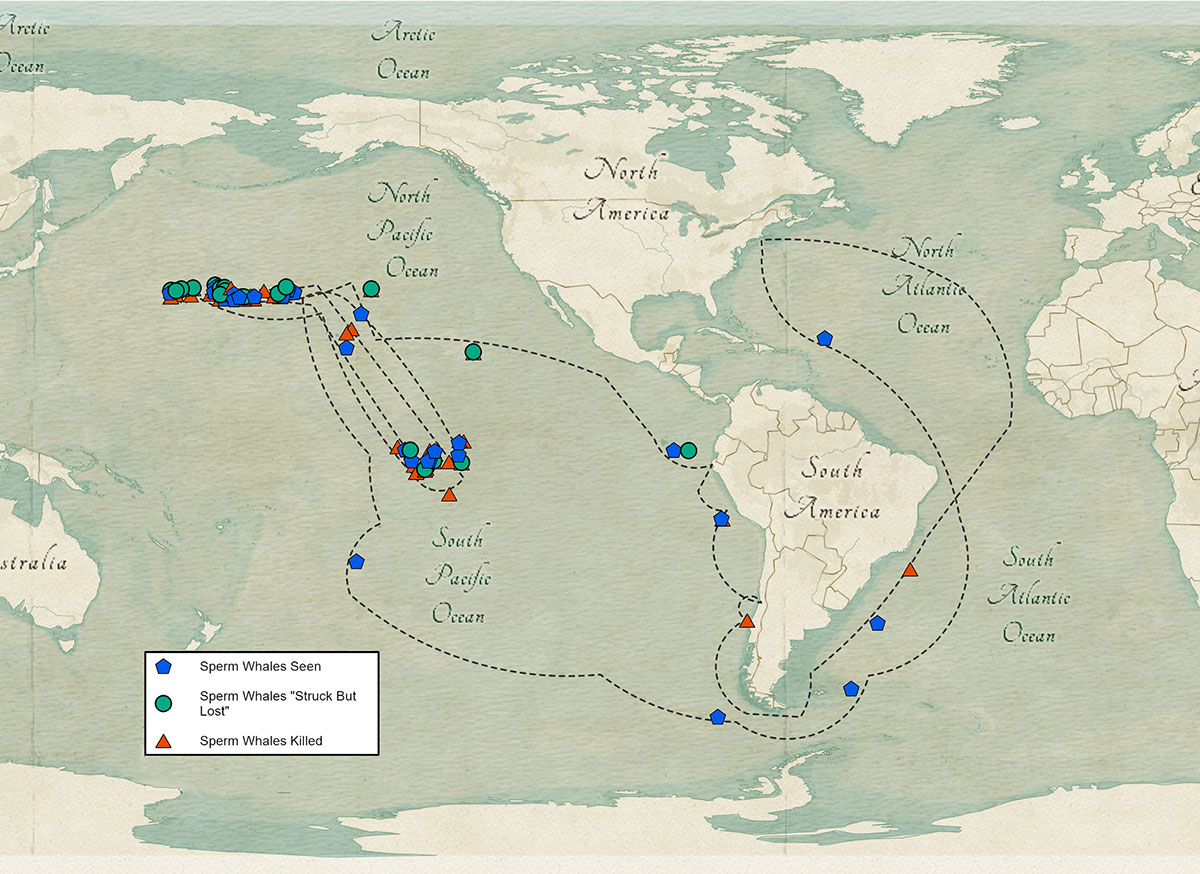
Rich King, Mallory Hoffbeck, and Mia Hines Share Their Adventure Into the Past – Guided by Captain Joy’s Last Whaling Log Permalink
Published:
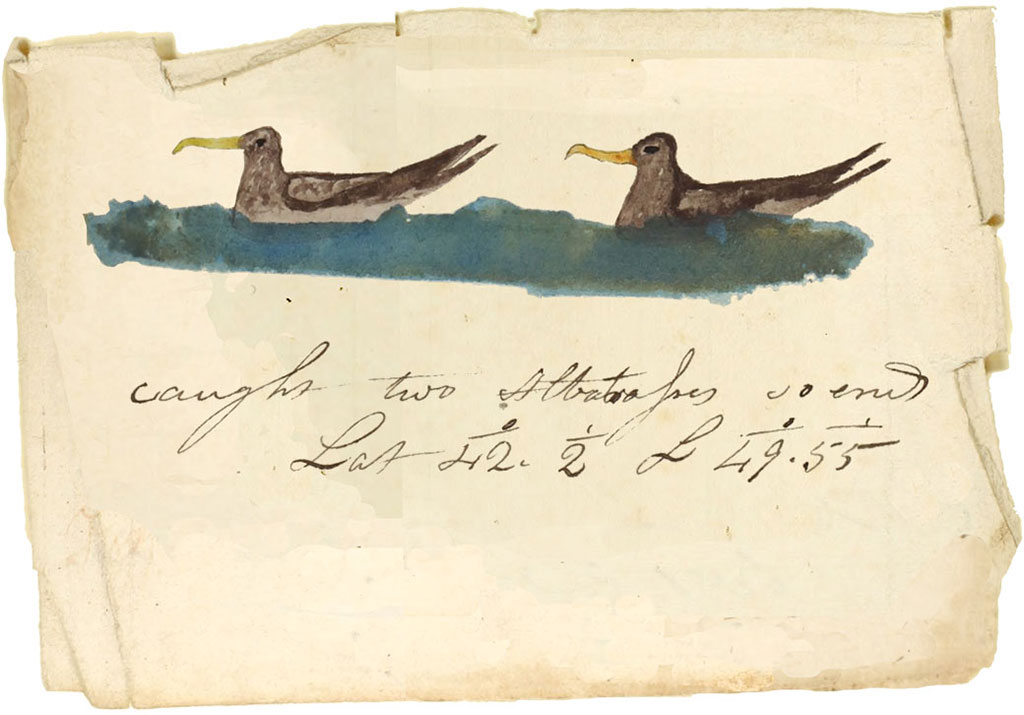
Captain Joy’s Last Voyage Permalink
Published:

portfolio
Portfolio item number 1
Short description of portfolio item number 1
Portfolio item number 2
Short description of portfolio item number 2
publications
Spatiotemporal Facility-Level Patterns of Summer Heat Exposure, Vulnerability, and Risk in United States Prison Landscapes
Geohealth, 2024
Heat is associated with increased risk of morbidity and mortality. People who are incarcerated are especially vulnerable to heat exposure due to demographic characteristics and their conditions of confinement. Evaluating heat exposure in prisons, and the characteristics of exposed populations and prisons, can elucidate prison-level risk to heat exposure. We leveraged a high-resolution air temperature data set to evaluate short and long-term patterns of heat metrics for 1,614 prisons in the United States from 1990 to 2023. We found that the most heat-exposed facilities and states were mostly in the Southwestern United States, while the prisons with the highest temperature anomalies from the historical record were in the Pacific Northwest, the Northeast, Texas, and parts of the Midwest. Prisons in the Pacific Northwest, the Northeast, and upper Midwest had the highest occurrences of days associated with an increased risk of heat-related mortality. We also estimated differences in heat exposure at prisons by facility and individual-level characteristics. We found higher proportions of non-white and Hispanic populations in the prisons with higher heat exposure. Lastly, we found that heat exposure was higher in prisons with any of nine facility-level characteristics that may modify risk to heat. This study brings together distinct measures of exposure, vulnerability, and risk, which would each inform unique strategies for heat-interventions. Community leaders and policymakers should carefully consider which measures they want to apply, and include the voices of directly impacted people, as the differing metrics and perspectives will have implications for who is included in fights for environmental justice.
Recommended citation: Ovienmhada, U., Hines, M., Krisch, M.,Diongue, A. T., Minchew, B., & Wood, D.R. (2024). Spatiotemporal facility‐levelpatterns of summer heat exposure,vulnerability, and risk in United Statesprison landscapes. GeoHealth, 8,e2024GH001108.
Download Paper
Charting Public Health: A Taxonomic Study of Visualization Practices in the Public Health Field
Accepted to IEEE VIS, 2026
Public health organizations regularly produce and publish data visualizations in their practices of raising awareness of critical issues, influencing decision-making processes, and promoting overall well-being. However, the design practices shaping these visualizations in real-world settings remain largely unexamined, limiting the research community’s ability to evaluate their effectiveness, accessibility, and alignment with communication goals. To address this gap, we construct and analyze a large-scale corpus of over 4,000 real-world data visualizations drawn from more than two dozen websites associated with U.S. and international public health organizations. We evaluate salient design characteristics like chart type, visualization accessibility, use of embellishments like iconography, and design flaws. This work contributes to the understanding of real-world decisions on designing data visualizations and supports public health officials in improving data visualization-related communications.
Recommended citation: Hines, M. & Ottley, A. (2026). Charting Public Health: A Taxonomic Study of Visualization Practices in the Public Health Field
talks
Talk 1 on Relevant Topic in Your Field
Published:
This is a description of your talk, which is a markdown file that can be all markdown-ified like any other post. Yay markdown!
Conference Proceeding talk 3 on Relevant Topic in Your Field
Published:
This is a description of your conference proceedings talk, note the different field in type. You can put anything in this field.
teaching
Teaching experience 1
Undergraduate course, University 1, Department, 2014
This is a description of a teaching experience. You can use markdown like any other post.
Teaching experience 2
Workshop, University 1, Department, 2015
This is a description of a teaching experience. You can use markdown like any other post.